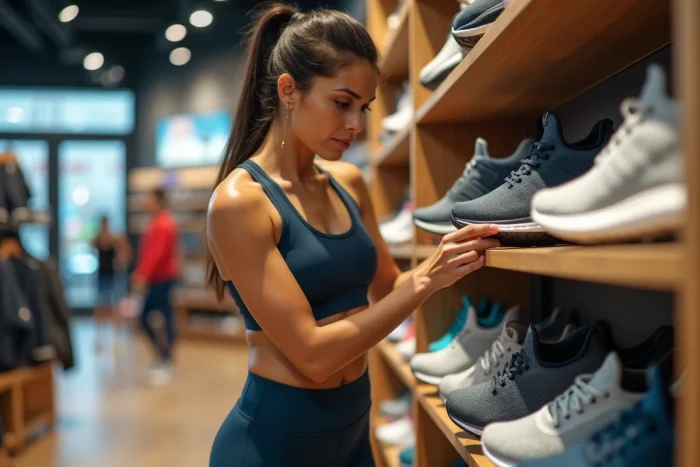
The sports equipment market offers such segmented ranges that a single running shoe aisle can display over thirty models with distinct promises. Between technical textiles, connected sensors, and environmental labels, the choice of sports equipment relies on criteria that far exceed just price or brand.
Sensors and load tracking: how technology changes equipment choices
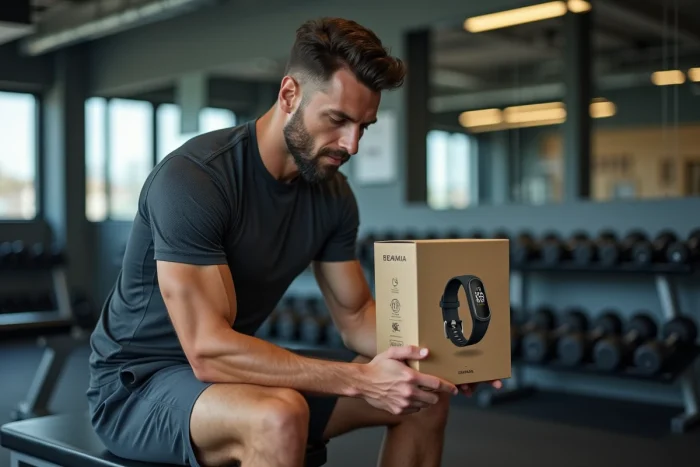
The choice of equipment has evolved the most in recent years with tracking tools. Connected heart rate monitors, instrumented insoles, wearables measuring heart rate variability: these devices are no longer reserved for professional athletes.
The practical guides from the French Athletics Federation emphasize the use of heart rate monitors and load tracking tools to prevent injuries related to intensive running. Specifically, an amateur runner who invests in a reliable heart rate monitor and a stride sensor gains actionable data to adjust their training, where new shoes alone would not correct chronic overload.
The question to ask before buying a connected accessory remains that of actual use. A power sensor on a bike is only useful if you structure your rides by intensity zones. Otherwise, a simple GPS watch is sufficient. Choosing technological equipment without an appropriate training plan amounts to collecting data that will never be read.
To delve deeper into the question of suitable equipment for each practice, sports equipment on Carnet de Sportive details selections by discipline and level.
Running shoes and training gear: the criteria that really matter
The shoe remains the piece of equipment where a poor choice costs the most, in joint pain or shin splints. Field feedback varies on this point: some runners swear by maximum cushioning, while others prefer minimalist models that enhance proprioception.
Rather than following a trend, three parameters deserve to be checked as a priority:
- The drop (the difference in height between heel and forefoot) should match your usual stride. Abruptly switching from a 10 mm drop to a 4 mm drop without transition increases the risk of Achilles tendinopathy.
- The width of the shoe at the forefoot is often overlooked. A model that is too narrow compresses the metatarsals and causes numbness on long outings.
- The wear of the outsole provides a reliable indication of remaining lifespan. When the profile’s relief has disappeared in the contact area, the cushioning is already degraded, even if the shoe still looks good visually.
On the clothing side, the choice of fabric directly influences thermal comfort during exertion. Quick-drying fabrics wick away sweat and limit irritation during prolonged training. A cotton t-shirt absorbs moisture and weighs down the outfit, which becomes a real hindrance beyond thirty minutes of sustained activity.
Eco-design and sustainability: a criterion of choice that has become concrete
ADEME has noted a clear increase since 2023 in “eco-design” ranges in the offerings of major sports brands. Recycled textiles, repairability, and second life are no longer isolated marketing arguments: some brands like Decathlon now publish life cycle analysis sheets to allow consumers to compare the environmental impact of two similar products.
What changes for the concrete choice of equipment is the ability to verify if a product is repairable before purchasing it. A running jacket with a replaceable zipper in a workshop has a much longer lifespan than a glued and thermally welded model, even if the latter is cheaper to buy.
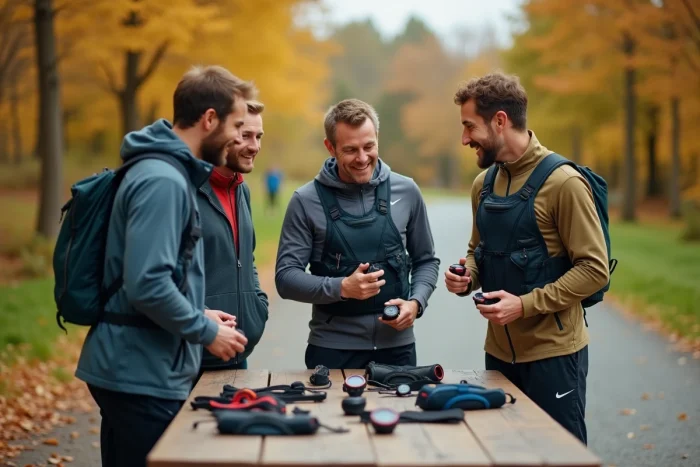
Eco-designed equipment does not systematically match their classic counterparts in pure technical performance. However, for products like fitness leggings or hiking shoes, recycled ranges reach a comparable level of comfort to standard ranges, according to feedback published by the brands themselves.
Adapting equipment to practice and body rather than trend
A common pitfall is buying equipment designed for a neighboring discipline. Running shoes used for gym fitness provide insufficient lateral support. Conversely, cross-training shoes are too rigid to absorb the repeated shocks of running on pavement.
Each discipline imposes specific biomechanical constraints that dictate the type of sole, support, and flexibility needed. Cycling requires shoes with a rigid sole to optimize power transfer, while yoga necessitates barefoot or non-slip sock grip on the floor.
Individual morphology weighs as much as the discipline. Two runners of the same level but different builds do not have the same cushioning needs. Brands that offer a stride test in-store (analysis on a treadmill or pressure platform) provide a more reliable service than a recommendation based solely on shoe size and budget.
The most effective sports equipment is the one that corresponds to your actual practice, not the one you envision. Investing in high-end equipment for an activity practiced twice a month yields no measurable gain. In contrast, well-fitted equipment for regular activity reduces injuries and improves comfort in a tangible way, session after session.