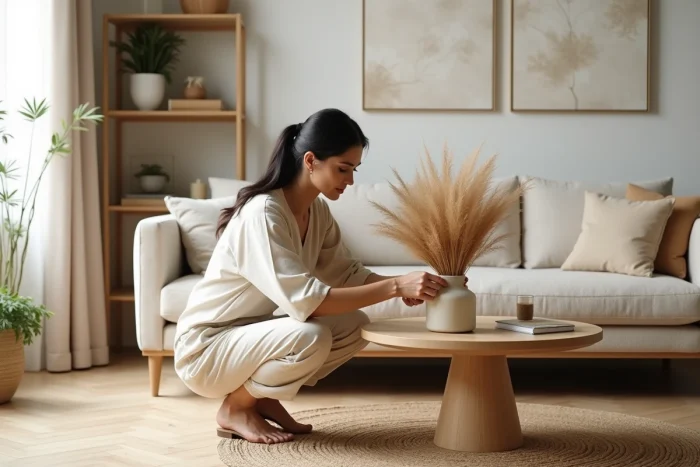
Arranging and decorating a home is no longer just about choosing a style from a catalog. Recent energy regulations, the rise of bio-sourced materials, and a return to sustainability logic are significantly changing the options available for each room. This topic deserves careful consideration of the real constraints before discussing inspiration.
Repairable materials and sustainable design: what’s changing in home decor
Since 2024, several French brands and designers are offering furniture and layouts designed to be disassembled, repaired, and modified rather than replaced. The report “Low-tech and Interior Design” from the Eco-Design Observatory (2024 edition) documents this trend: solid wood shelves screwed rather than glued, sofas with standardized covers, and lighting fixtures with replaceable parts.
This approach changes the way we think about arranging a living room or bedroom. A repairable piece of furniture may sometimes be more expensive to purchase, but its lifespan and adaptability compensate in the long run. Field reports vary on the actual ease of finding replacement parts, as not all manufacturers have yet standardized their fastening systems.
To explore interior decoration ideas that integrate this logic, Maison Créa gathers inspirations that align with these new requirements. The idea is not to replace everything at once but to prioritize choices that won’t become obsolete after two seasons.
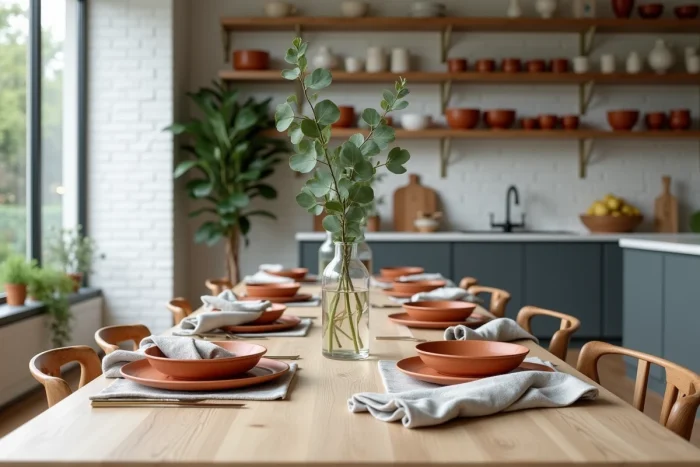
Visible bio-sourced materials: raw wood, hemp, and plant fibers as decor elements
Exposed raw wood, hemp concrete, or plant fiber panels are no longer reserved for construction sites. According to the Bio-sourced Materials Barometer in Construction from CSTB (2025 edition), several French architects are leaving these materials visible inside rooms, embracing their texture as a fully-fledged decorative element.
This choice has practical implications for layout. An exposed hemp concrete wall requires a suitable surface treatment to prevent crumbling. Raw wood requires regular maintenance, but it ages with a patina that enriches the space over time.
Which spaces are best suited
The living room and dining room remain the spaces where these materials function most naturally, as humidity levels are moderate. In a bathroom, plant fiber panels raise questions about water resistance that the available data cannot definitively resolve. Bedrooms, on the other hand, are well suited to exposed wood: the visual effect is calming, and the natural hygrometric regulation of wood contributes to comfort.
- Living room and dining room: hemp concrete or raw wood serve as a textured backdrop, reducing the need for additional wall decoration
- Bedroom: headboards made of unvarnished solid wood or partitions made of fiber panels add warmth without overcrowding the space
- Office: exposed wood shelves and visible metal-structured lighting create a simple style without the need for coordination
RE2020 and interior layout: the constraints that guide your decoration choices
The Environmental Regulation RE2020, which came into effect in 2022 with strengthened requirements since 2023, has concrete effects on the layout of new housing and renovations. Glazed surfaces are now optimized to limit summer overheating, which changes the size and position of windows in living spaces.
This constraint prompts a rethink of natural lighting. A living room with smaller or better-oriented bay windows requires a different approach to interior colors and furniture arrangement. Light shades on walls and reflective surfaces (mirrors, lacquered furniture) take on functional importance, not just aesthetic.
Interior blinds and solar protections as design elements
RE2020 has made interior blinds and solar protections almost mandatory in recent constructions. What was once a utility accessory has become a real decoration topic. The choice of a blind is no longer just about thermal comfort but also about the visual identity of the room.
Blinds made from natural materials (linen, woven cotton) integrate better into interiors with raw materials. Blackout models, often more technical, require discreet casing or covering to maintain the harmony of a well-kept space. It’s a balancing act between energy performance and decorative coherence that each project must resolve on a case-by-case basis.
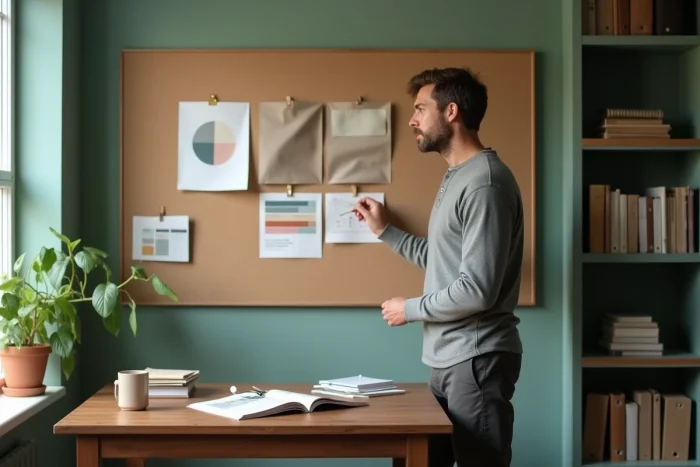
Colors and furniture: balancing trend and longevity in each room
Decor trends change quickly. Earthy colors (ochre, terracotta, sage green) have dominated for a few years, but investing in a terracotta sofa that will tire after three years contradicts the sustainability logic described above.
A sensible principle is to reserve bold colors for easily replaceable elements: cushions, throws, curtains, decorative objects. Structuring furniture (sofa, table, storage) benefits from remaining in neutral shades, natural wood, or subdued colors. This is not a lack of boldness; it’s a choice that allows for renewing the atmosphere of a living room or bedroom without having to buy everything anew.
- Walls and floors: neutral or light shades provide an adaptable base for any style evolution
- Textiles and accessories: this is the simplest and least expensive lever to follow color trends
- Main furniture: prioritize materials that age well (solid wood, patinated metal) over fragile finishes
- Lighting: a well-chosen light fixture transforms a room more effectively than a piece of furniture, often for a lower budget
Arranging a stylish home relies less on the accumulation of ideas and more on the coherence between materials, building constraints, and choices that will last beyond a season. Recent regulations and the rise of sustainable materials do not limit creativity: they refocus decisions on what truly matters in a living space.